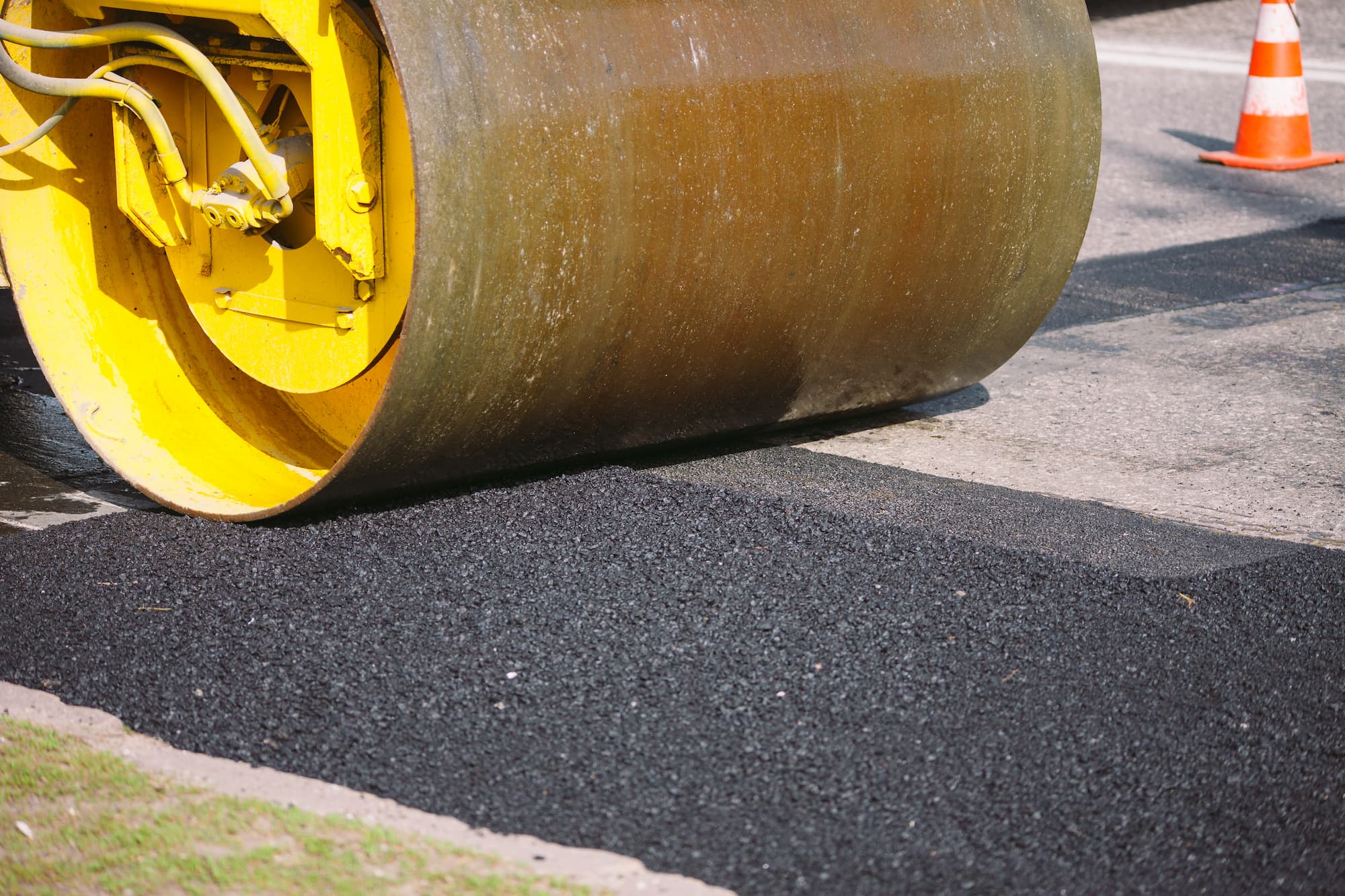

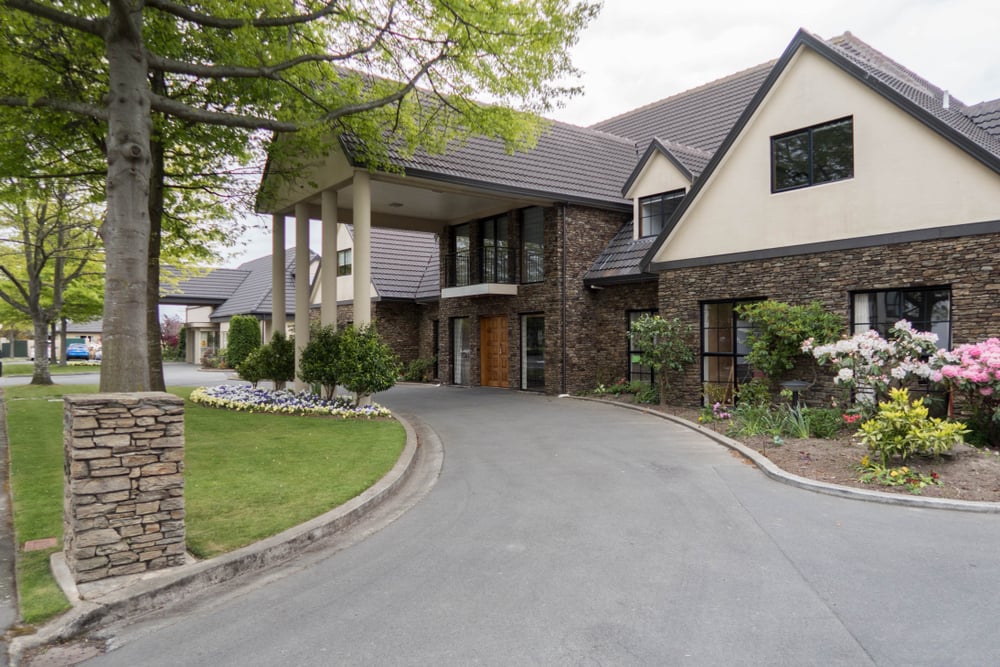
Before installing or repairing an asphalt driveway, its lifespan is one factor to consider. Asphalt is a durable material, but its longevity depends on its composition, installation process, and maintenance. With proper installation and maintenance, your asphalt driveway can serve you for 15 to 35 years. For this reason, it’s necessary to work with reputable contractors who use quality asphalt to provide durable driveways.
Factors That Affect the Longevity of an Asphalt Driveway
1. Asphalt Installation
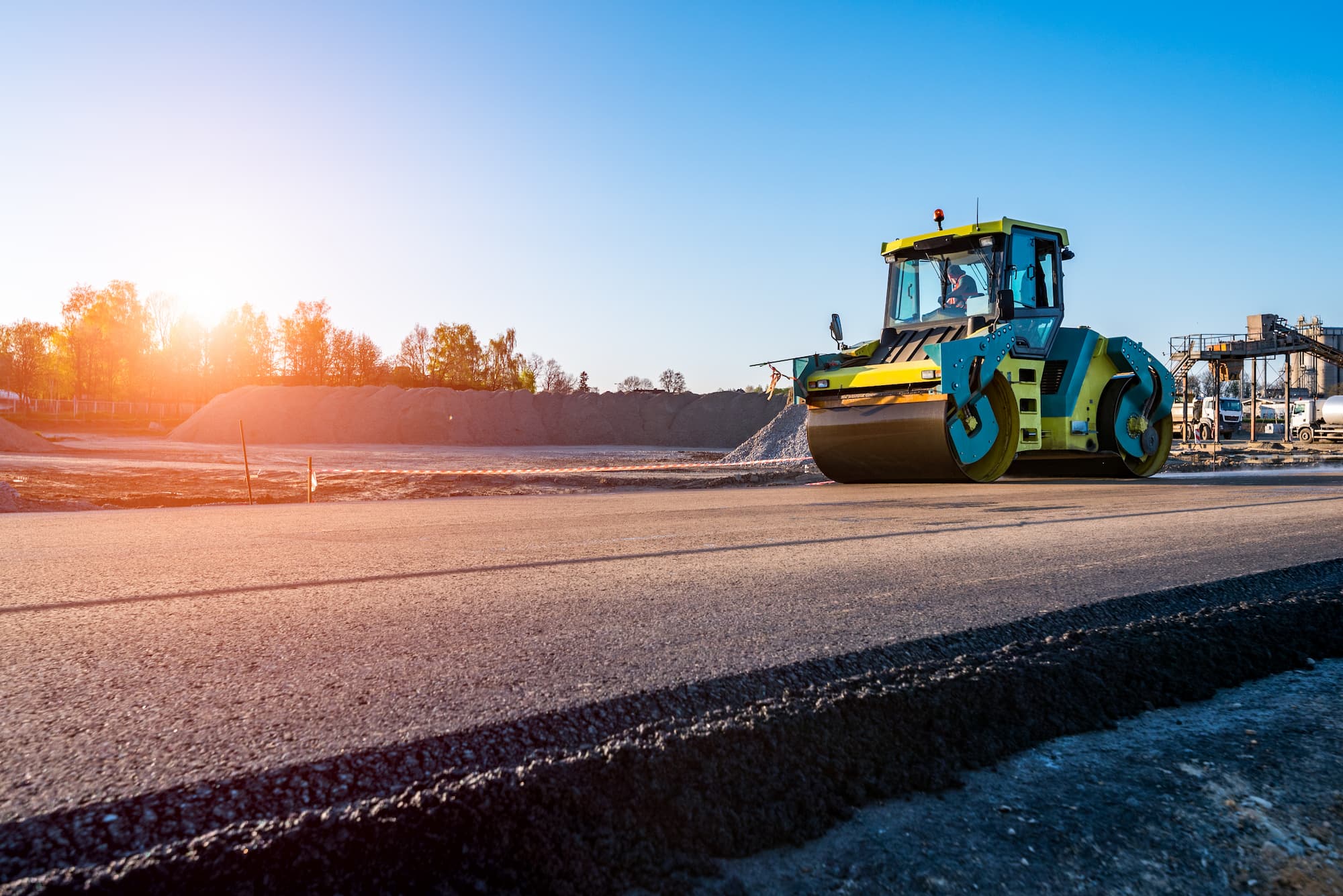
Although installation is easy, the process contains risks. It involves designing the driveway, preparing the foundation, and raking the area. If not correctly installed, cracking will be inevitable, and the surface will be uneven and won’t drain water quickly. The driveway will last shorter than expected if a contractor skips vital preparation during the installation process.
2. Extreme Weather
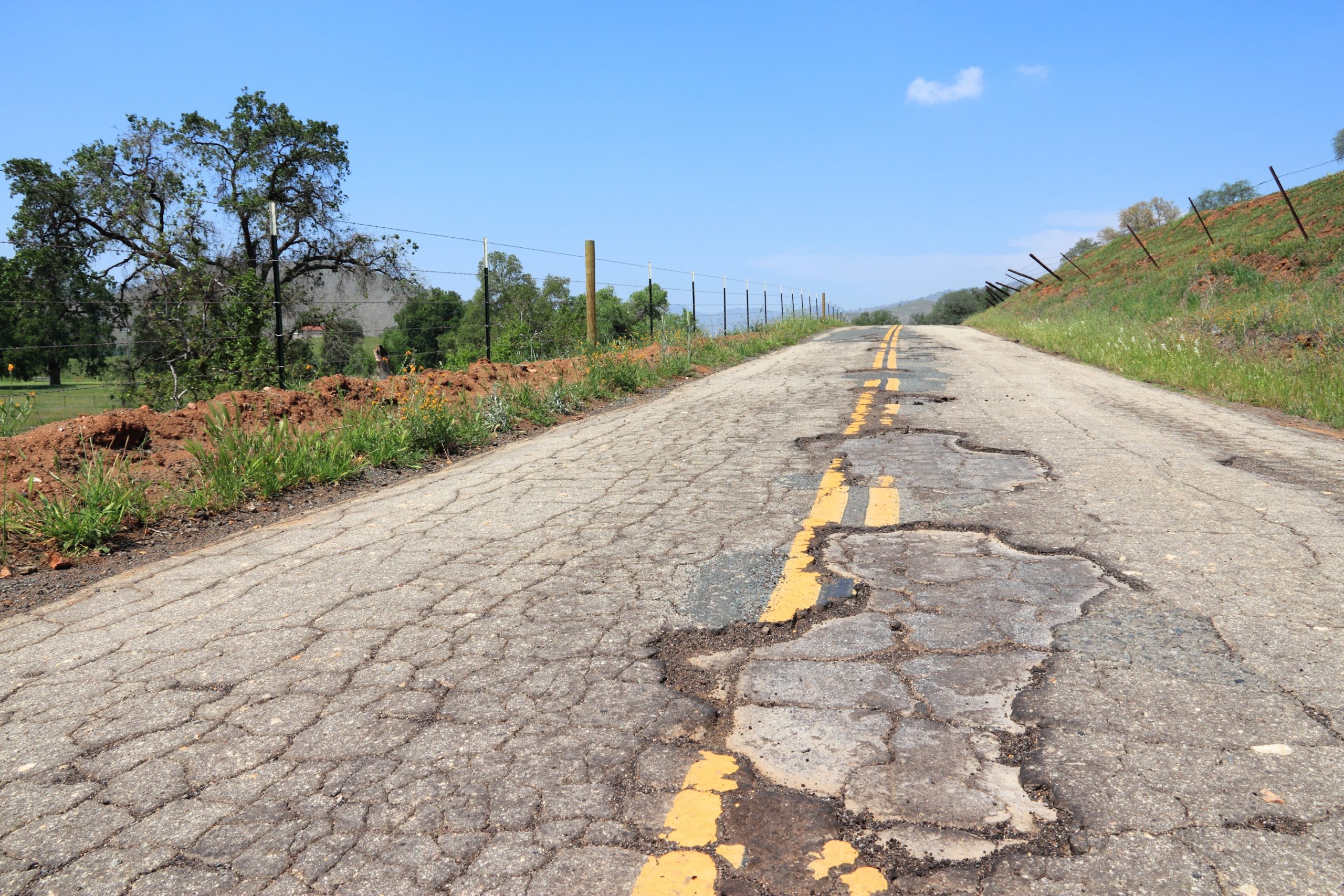
Although asphalt can withstand various weather changes, it can crack with prolonged cold winter seasons. The cracks may be minor but will expand as the driveway continues to freeze and thaw. If not attended to early enough, the gaps will expand and become too large to repair, thus affecting the lifespan of your driveway.
Extreme heat and UV radiations can soften asphalt, making the asphalt driveways deform when heavy vehicles drive on them.
3. Usage and Thickness
Residential asphalt driveways are three inches thick and suit vans, small trucks, and cars. If heavy trucks and trailers drive on such driveways, the asphalt driveway can be damaged, and its lifespan will shorten. If your residential asphalt driveway uses heavy vehicles, speak to your contractor about it so that they can use a thicker layer of asphalt.
How to Ensure your Asphalt Driveway Lasts Longer
To ensure your asphalt driveway lasts for many years, use these tips:
1. Ensure it dries and cures well.
An asphalt driveway takes up to a year to cure and harden. When newly installed,
- Leave it untouched for 72 hours to allow it to dry. During this time, you shouldn’t walk or drive on it.
- Do not park on it for the first two weeks unless on a calm day.
- Avoid turning your steering wheel once you’ve stopped your vehicle.
- Do not ride bicycles and motorbikes on the surface.
- Put plywood below the front tires of your car when parking to distribute the weight of the tires.
- Avoid driving and parking heavy vehicles on the surface.
- Ensure that gas and coolant do not leak onto the fresh asphalt driveway to prevent staining.
2. Seal it Up
Asphalt is a porous material; therefore, applying sealant is unavoidable. The sealcoat application should occur between twelve to twenty-four months after the asphalt driveway installation. You do not want to sealcoat until the driveway is fully cured and hard. A sealant protects your asphalt driveway safe from oil, grease, gasoline, moisture, and other harmful substances.
3. Regular Asphalt Maintenance
Give it regular maintenance to squeeze the most time out of your asphalt driveway and extend the life of your investment. To do so:
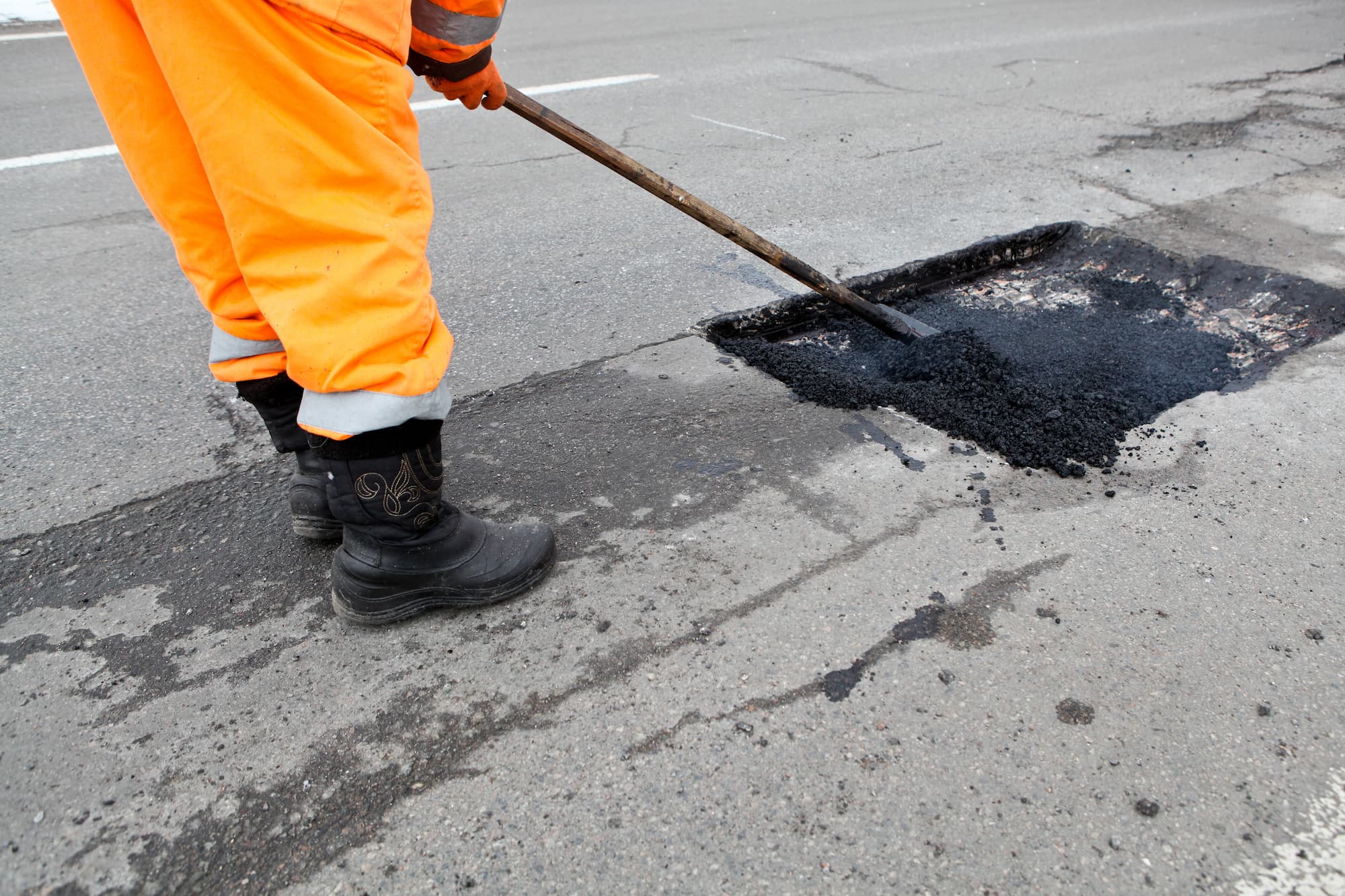
- Make it a routine to clean your driveway while checking for cracks or irregularities. In case of any crack or uneven surface, seek professional help immediately to avoid extreme damages.
- If you spot water puddles, ensure your drainage works appropriately. If water continues to stand on the asphalt driveway, it can penetrate the surface and weaken the foundation.
- Cut down any deep-rooted tree along the sides of your asphalt driveway. These roots can cause large cracks as they crawl underneath the driveway’s foundation.
- During scorching summer days, spray your asphalt driveway with cold water to minimize cracks caused by heat. You can also use a driveway cover to provide shade to your asphalt driver and protect it from extreme UV radiation.
- In case of any oil or grease spillage, clean them up immediately. You can use sand to soak up the area before spraying with water.
- The top layer of an asphalt driveway protects it from UV radiation and extreme heat. When cleaning, avoid scrubbing too hard.
- Avoid using ice melt on the surface of your asphalt driveway. While it’s suitable for safety, ice melt contains chemicals and salt, which can cause damage to the surface.
The lifespan of asphalt driveways depends on weather conditions, the installer’s expertise, and the applied pavement maintenance plan. Asphalt driveways with extreme damage from poor installation or large cracks require complete replacement, which is an extensive and expensive project. Therefore, choose an experienced contractor to ensure that your asphalt driveway is installed and maintained properly so it can serve you for many years, even after repairs. With over 50 years of experience, Neyra Paving understands the effects of fluctuating weather and improper installation on asphalt driveways. Call (513) 733-1001 for free asphalt paving estimate.